At Beaconsfield Estate Agents, I wrote some SEO blogs for the new website about the most common questions first time buyers have about getting onto the property ladder.
This is the First Time Buyer's Guide.
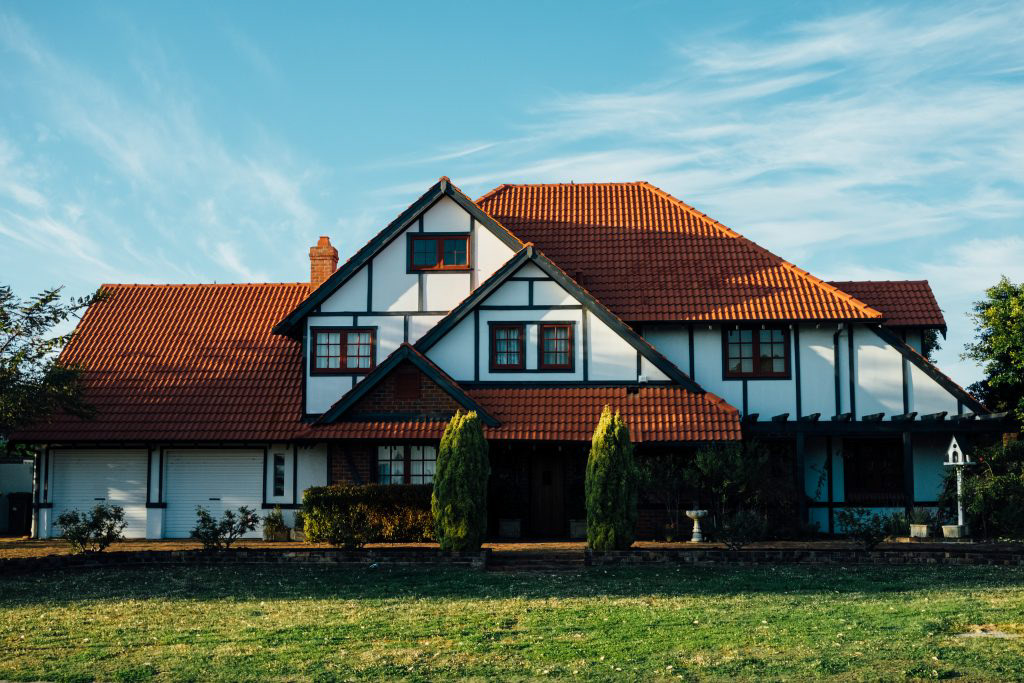
Welcome to our First Time Buyer’s Guide to walk you through how the whole buying process works and our top tips for finding your dream home.
Whether you're looking for a stunning four bedroom family house in Beaconsfield or a cosy two bedroom bungalow in Penn, there are many advantages to buying a house.
Owning your own property means:
Freedom to put down your roots in one place instead of having a Landlord dictate the terms of your stay.
Freedom to decorate and renovate the property the way you would like which is not possible when renting accommodation you do not legally own.
Financial Freedom: Buying a house is a worthwhile investment which will continue to increase in value for the future.
Whilst having somewhere to call home has its advantages, buying your own home also brings its share of responsibilities such as:
Any maintenance issues which may arise will solely be your responsibility.
If the roof leaks or the boiler needs replacing it is up to you as the homeowner to foot the bill. Before buying a house it is worth considering whether you have enough capital for emergencies such as these.
Buying a house also entails monthly charges to factor into your budget including: Council Tax, Mortgage (if you need one), Utility Bills, Ground Rent and Service Charges (if you buy a flat), Maintenance (this includes plumbing, electricity and the garden etc).
Weighing up your budget and current assets is a good way to determine whether you can afford the responsibilities of becoming a homeowner.
1. Counting the Cost: Can You Afford Your First Home?
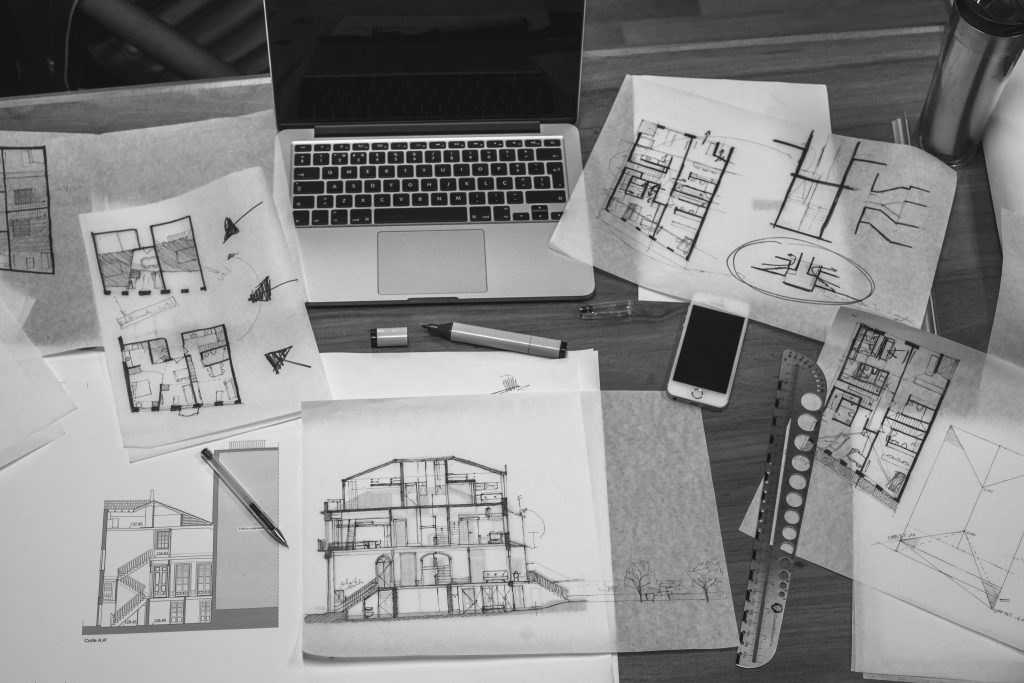
The costs of buying a house are more than you would expect at face value. Besides the price tag which comes with any property are the associated costs of the whole buying process.
These include:
Stamp Duty - this is the mandatory property and land tax which will vary in cost depending on the value of your house. For example, if your house costs up to £125,000 you will pay 0% (tax free) on Stamp Duty in comparison with houses worth up to £250,000 will cost you 2%. For a full list of up to date Stamp Duty tax percentages please visit the official HMRC website by clicking here.
Mortgage Arrangements - Unless you are fortunate enough to be a full cash buyer, you will need a mortgage to cover the costs of buying your new home. Consider the mortgage lender's or mortgage broker's fee you will need to pay for arranging the mortgage. Other brokers may not charge you a fee but will receive commission from the lender.
Property Surveying Costs - We recommend paying for a survey on your property so you can find out the full structural condition it is in. The Surveyor will carry out a full report for you to read which will include any general repairs which need to be attended to.
Legal Fees - Finding a Solicitor is essential to process all the documents you will need for the buying process. Your Solicitor will write regular letters and emails to update you on the property. Legal fees normally involve a deposit fee and then a full payable amount on completion of the purchase.
Renovation and Decoration - Consider the costs involved for renovating an older house or adding some new features to a more modern one. Are you going to be moving in your current furniture or are you going to buy a completely new set? If there is a garden or swimming pool with your property do you have enough extra expenditure for its upkeep? Calculating the extra cost of your property makeover will save you time in the long run when making the decision to purchase a property.
2. House Shopping: What are you looking for?
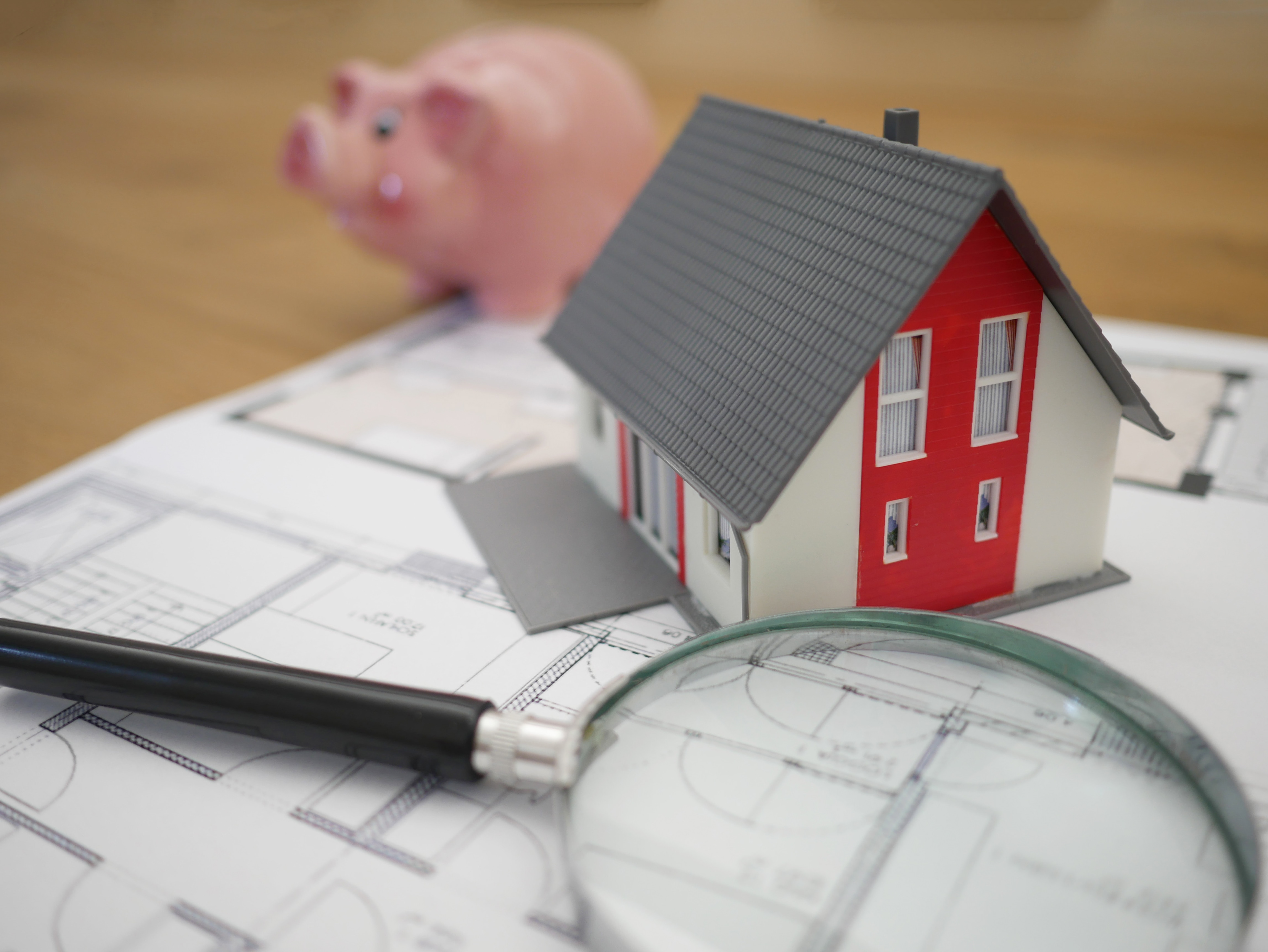
When you're searching for your ideal place to buy, we recommend making a list of the must have features you're looking for as well as the optional extras which aren't essential.
For example, you may need a four bedroom house close to the local shops but an extra bathroom is just an added focus.
Here are some questions to think about when deciding on shopping for one of the biggest purchases you will make:
- Are you looking for a house or a flat?
- Are you looking for a brand new home or a period home?
- Would you prefer a garage or off-road parking?
- How many bedrooms and bathrooms are you looking for?
- Do you need a garden and if so, how big does it need to be?
- How close do you need to be near the shops and local transport links?
- How close do you need to be near the hospital and local medical centre?
- How close do you need to be near the gym and sports clubs?
- How far will your work commute be from your ideal home?
- Does the need to be in the catchment area of schools?
- Is there space for your pets to explore outside or is it just as important to be near a local park?
Once you've made a list of what you're looking for you can then determine how much you're willing to spend to buy your dream home.
The best way to get an idea of local prices is to find local listings on our Sales Page or to browse property portals such as Right Move and On The Market.
3. Location, Location, Location: Planning Your Viewings
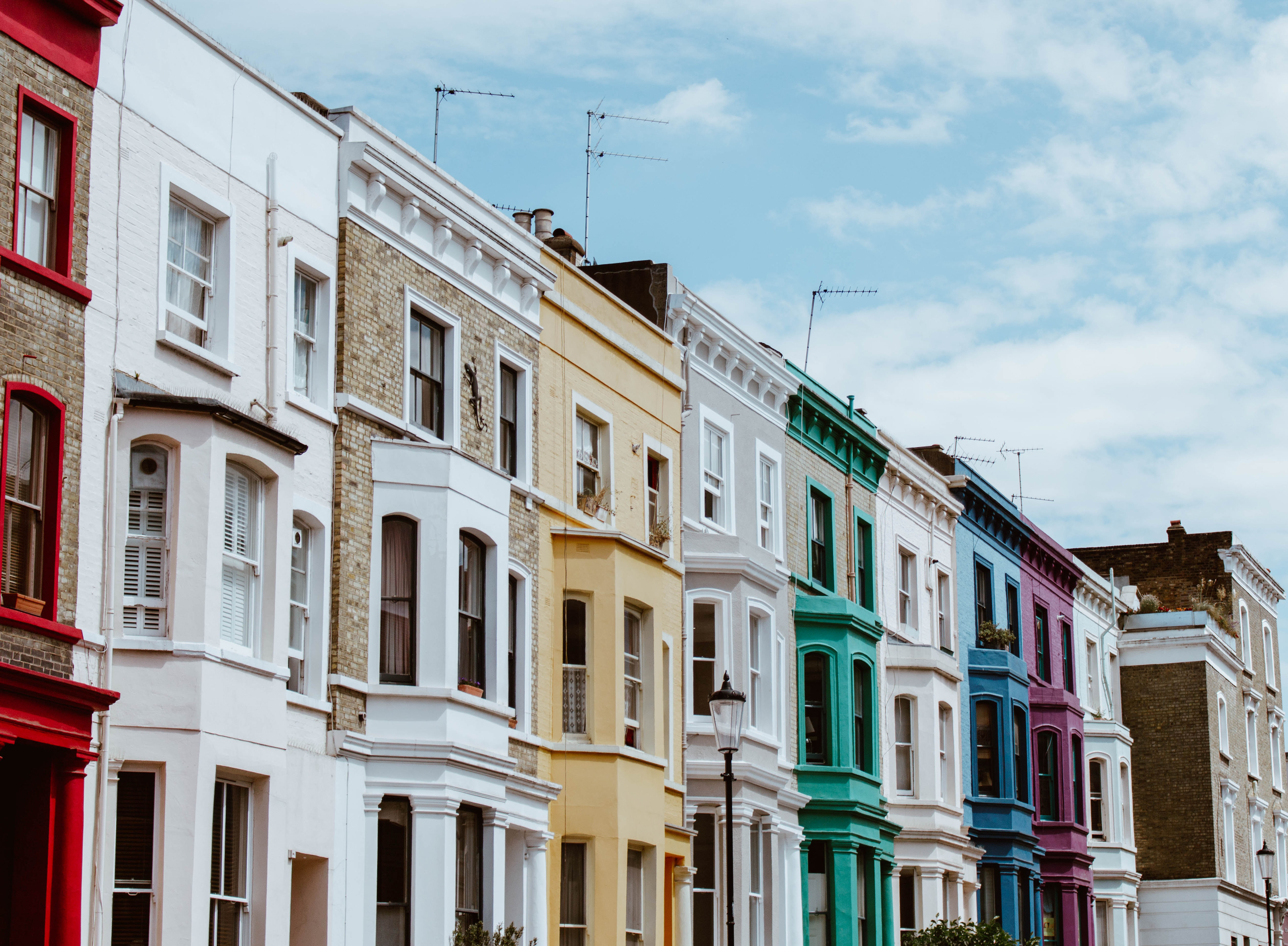
Once you've called us to arrange a suitable time and day to view a property, you'll receive a brochure detailing the EPC, the floor plan and an overview of what is inside.
We recommend having several viewings on a property at different times of the day such as the afternoon and at night time so you can see a full picture of what it is really like living in the neighbourhood.
Here are some questions to ask yourself when you're at a viewing:
- Can you picture yourself living in this property for yours to come and are you comfortable with the neighbourhood surroundings?
- How efficient is the EPC rating when it comes to utility bills?
- Is there enough storage space or a loft for your items?
- How much renovation will the property need, if any?
In order to receive the best information before deciding to put an offer on a property, you may want to ask your negotiator the following questions:
- Has any work been carried out on the property?
- How much is the council tax?
- Where are the nearest amenities such as shops, restaurants, schools, the petrol station, hospital and local transport links?
- What fixtures and fittings are included with the property?
- What fixtures and fittings are included with the property?
- What are the benefits of living in this area?
We are always available to answer any questions you may have after the viewing and if you think you've found your dream home then it's time to make an offer.
We are always available to answer any questions you may have after the viewing and if you think you've found your dream home then it's time to make an offer.
4. Grand Designs: Putting Down An Offer

The main advice we would give when putting down offer for the right property is not to wait around. The housing market moves fast and it's important to put your offer down as soon as possible. It is likely there could be many people looking at the same property, therefore putting down an offer first will demonstrate you're ready to commit before anyone else.
There are two different ways to put down an offer: you can either walk into our office letting us know face to face or by phoning us directly.
If you're making an offer, you'll need to have your solicitor ready to instruct, to present your mortgage in principle as well as presenting document proof you can afford to place down the cash deposit. When a property is very popular and there are multiple bids to purchase it, the decision is ultimately down to the owner.
If your offer is accepted but then later rejected due to another higher offer, this is called 'being gazumped'.
To avoid being gazumped, we recommend matching your bid with the asking price and being open to bidding higher int he event of several buyers.
An offer isn't a binding commitment so the vendor is not obligated to accept the first offer which arises. However, there are many factors which may influence the vendor's decision to choose you.
If you have your finances in order, you're a cash buyer and you're ready to move quickly, these factors will be a greater advantage in winning the offer in the event of a bid war.
This is not an exhaustive list of how to secure the property of your dreams, but we highly recommend taking these factors into consideration in order to give you a greater chance of having your offer accepted.
When the vendor officially accepts your offer you'll receive a letter confirming and outlining all the details of the agreed price. The letter will also include details of your solicitor working on your behalf and the vendors solicitor. Both will be contact with each other throughout the whole process.
Congratulations on having your offer accepted!
Now it is time for carrying out a property survey.
Now it is time for carrying out a property survey.
5. Conveyancing: Taking The Survey

Conveyancing is the legal process of transferring ownership of a property or land from the vendor to the buyer. You will need to instruct your solicitor to start the process by carrying out a Homebuyer's report on the property you are looking to purchase.
The solicitor will appoint a Chartered Surveyor you have chosen or will recommend one you are happy with. Next, they will carry out a full inspection into the conditions and surroundings of the property.
There are several types of Homebuyer's reports and they will usually involve an extensive property search as well as a land survey around your home. Once the property survey is complete, you will receive more information including but not limited to:
- Flood Risks: How close the property is to a river and the likelihood of water hazards affecting the property
- Flood Risks: How close the property is to a river and the likelihood of water hazards affecting the property
- Insulation, Damp and Asbestos: The appointed Surveyor will report if there are any traces of damp or asbestos in the building you need to be aware of as this can impact your health.
- Water Authority Searches: Your survey will include a report on the public drains near your property and where the building receives water from.
- Environmental Searches: If the property is near a landfill site or is located near any gas or nuclear hazards, these will be outlined in the report.
- Any Problems Which Need Addressing: The benefits of a Homebuyers report are firstly, it can uncover any extra structural issues you may not have seen at face value. Secondly, you can see a recorded history of any extensions which have been added onto the building. Lastly, the Homebuyer's Report will give you the best insight into whether the asking price matches the current condition of the property.
The standard Homebuyer's report is suitable for buildings 30 years old or less.
Another option is to choose a more detailed, structural survey which can be carried on older buildings or on ones in need of greater renovation.
For a full list of Home Surveys available to you, please visit the official RICS website.
6. Completion: Exchanging Contracts

Once the survey is completed and you are happy with the findings the next step is exchanging contracts. Exchanging contracts means the buyer and seller are legally bound to make the full property transaction.
Your solicitor will send you a contract and the title deeds to sign which will both need to be returned to them. They will also require you to put down your agreed deposit which will normally be an electronic transaction. If you have a mortgage deed this will also need to be signed and returned (cash buyers will not need to do this).
Once your solicitor has exchanged contracts with the seller's solicitor you will receive a letter finalising this stage of the property. The date between the exchanging of contracts and the final completion day can vary between 1-4 weeks depending on the status of the property and the seller. A variety of factors can delay the exchanging of contracts so it is best to consult your solicitor on the expected completion date.
Stamp Duty and Land Registry will need to be paid for as well as any outstanding fees owed to your solicitor.
The final step to home ownership is collecting your keys from us and arranging a date to move into your new home.
Once you have moved in we recommend notifying all the electricity, broadband and water suppliers there has been a change in ownership. Make sure you have forwarded your previous post to your new address and enjoy unpacking. Congratulations, the property is now officially yours.
Welcome to your new home!